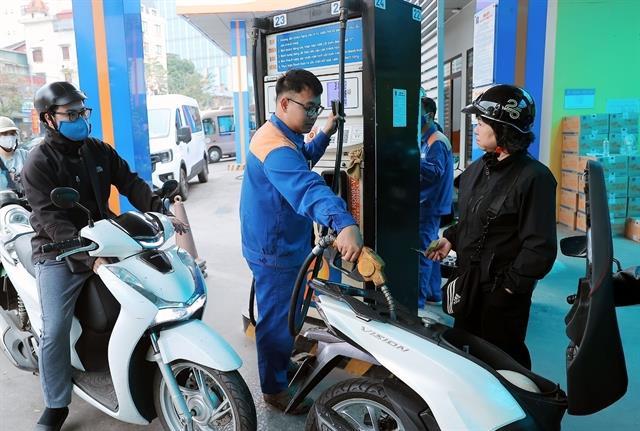
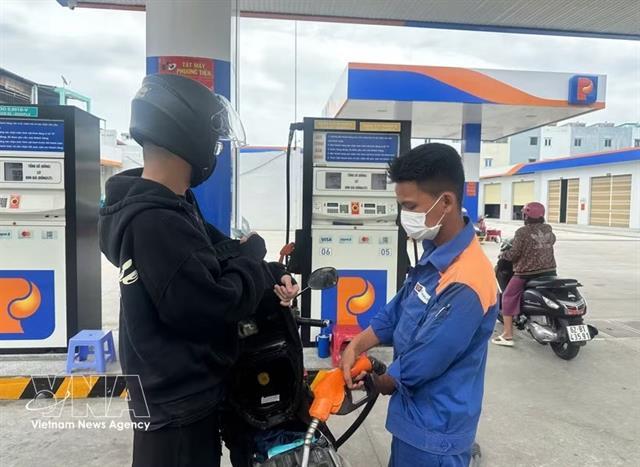
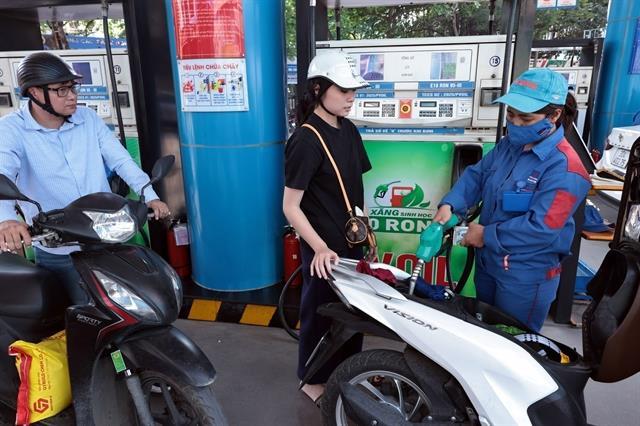
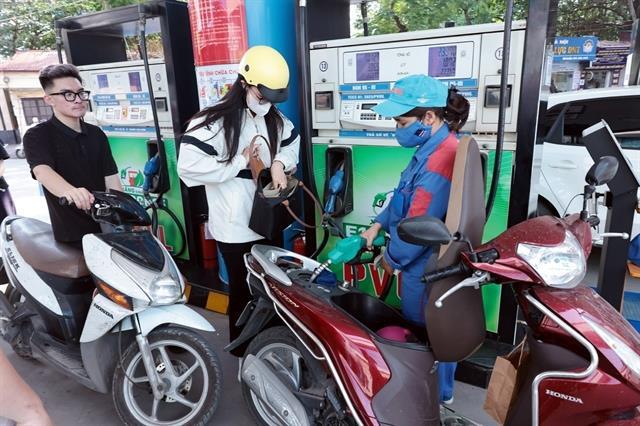
The latest adjustment was based on import cost benchmarks for petroleum products and the implementation of the price stabilisation fund in accordance with a decision issued the same day by the Ministry of Industry and Trade.
According to the Việt Nam Banks Association, the SBV injected a net VNĐ28.13 trillion through open market operations (OMO) in the final week of October.
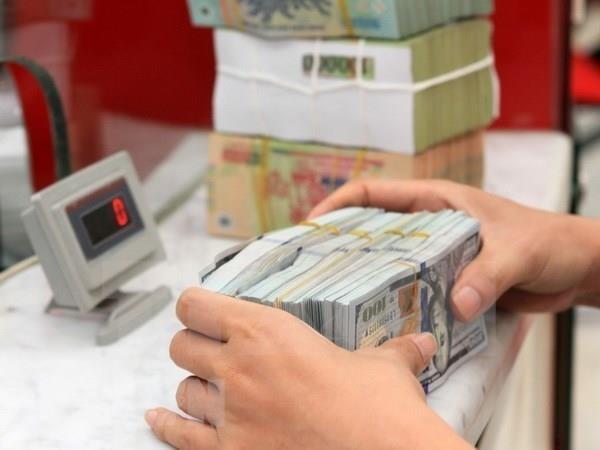
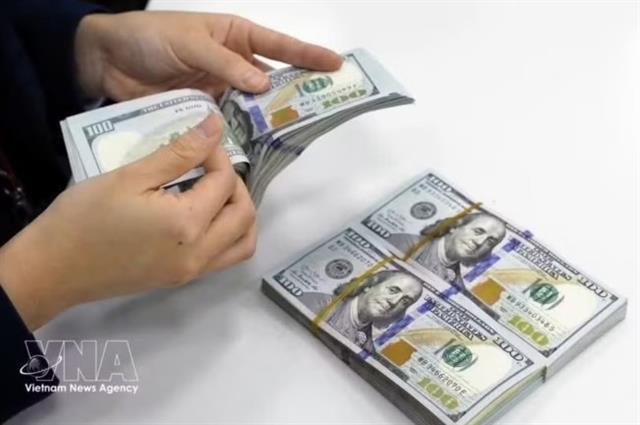
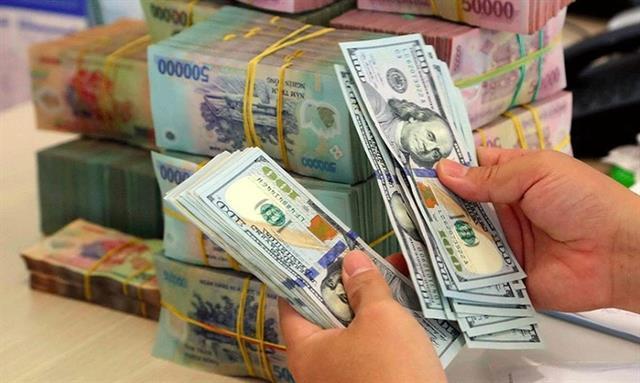
The State Bank of Vietnam (SBV) set the daily reference exchange rate at VNĐ25,623 buying a US dollar on November 5, down VNĐ4 from the previous session.
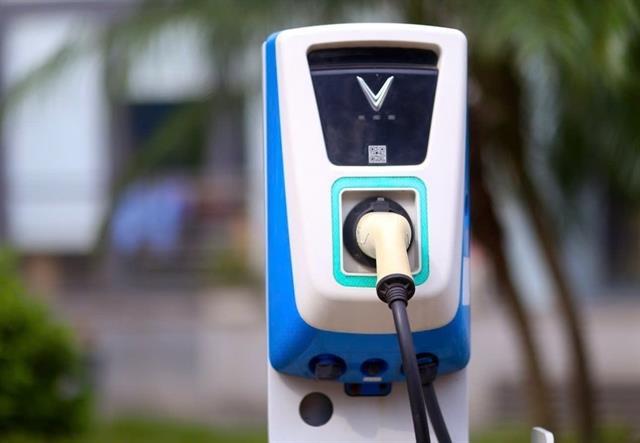
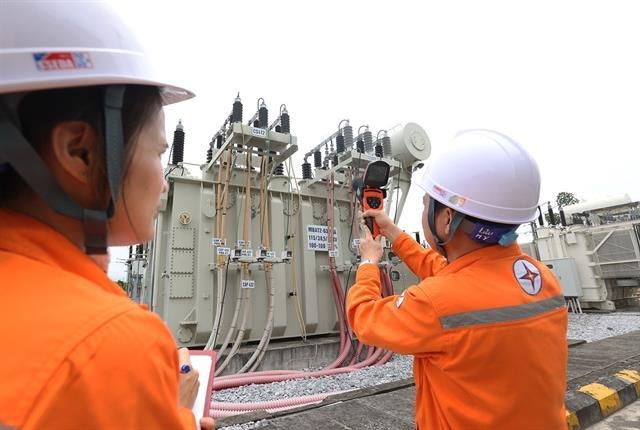
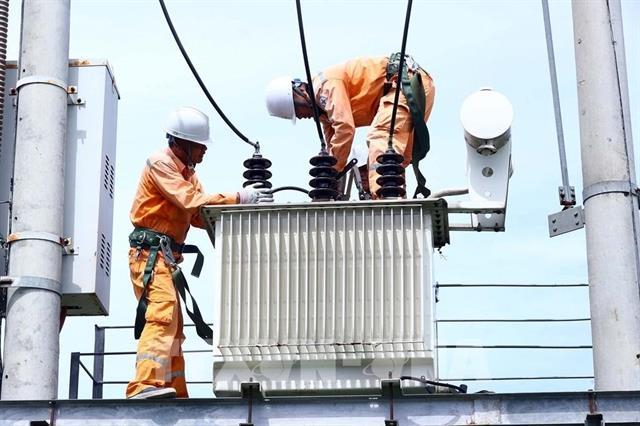
Việt Nam has cut its average retail electricity price by 2 per cent from November 1, 2026, while replacing its six-tier household electricity tariff with a five-tier structure, in a move aimed at easing production costs and simplifying electricity billing.
Việt Nam will cut its average retail electricity price by 2 per cent to VNĐ2,159.90 per kWh (excluding value added tax) from November 1, in a move aimed at easing energy costs for households and businesses and supporting economic growth,...
Meanwhile, the two ministries are keeping a close watch on market developments to announce appropriate fuel prices in line with Government directions and propose measures to the Government and the Prime Minister to stabilise fuel prices.
The reduction is aimed to comply with legal regulations concerning the mechanisms and timelines for adjusting average retail electricity prices, with the goal of supporting citizens and businesses and ensuring social welfare.
The rise of the greenback in the unofficial market was driven primarily by seasonal factors. The final three months of the year typically see a surge in demand for foreign currency transactions, leading to larger and more frequent price fluctuations.
The Ministry of Industry and Trade, and the Ministry of Finance set aside VNĐ200 per litre for biofuel into the Petroleum Price Stabilisation Fund, financed through a temporary advance from the state budget. No disbursement was made from the fund.
The ministry has instructed Vietnam Electricity (EVN) and power producers to use the approved price framework when negotiating and signing power purchase agreements (PPAs).
The ride-hailing market in Việt Nam is entering a new phase of competition as major platforms raise service fees and fares after years of relying on subsidies and promotions to attract users.